

Marketing strategies adapted to the new reality must be based on ‘remote experiences’. Virtual events, hybrid events, and digital customer service channels will need to be integrated into the strategy to succeed in a post-Covid world.
At the start of 2020, global market surveys indicated that 72% of millennials preferred to have immersive experiences in person, and that brands aimed to offer scenarios where buyers could physically immerse themselves to interact with their products or services. However, plans had to change radically with the emergence of the new virus.
Despite the economic, social, and business impact brought by the pandemic, the new reality has allowed companies to reinvent themselves, finding virtual platforms to be the most effective way to keep their relationships with their audiences alive.
There has never been a better time to showcase the creativity, innovation, and ingenuity of brands, as customers are eager for personalized experiences these days. Now, with the gradual reactivation of all sectors, marketing teams will need to adjust their plans based on social distancing. Therefore, the term ‘remote experiences’ will have to be the protagonist and the key in updating your strategy.
Turn technology into your strategic tool.
Customers will emerge from their quarantines with a new set of expectations that will change how we create brand experiences. And while many consumers will be strongly drawn to returning to as ‘normal’ as possible, achieving ‘distanced experiences’ will be key to solidifying success in your target audience relationship for the post-Covid-19 world.
Undoubtedly, companies that have bet on using 3D virtual platforms for their events, meetings, product launches, or brand activations have seen the impact these kinds of experiences have on participants. The level of personalization and realism at every step makes people interact very similarly to how they do in the real world. These virtual tools will undoubtedly continue to gain traction in marketing plans, not only because they are a truly innovative tool but also due to the inherent advantages of these platforms, such as saving travel time and execution costs, and above all, guaranteeing health preservation, which is one of the main priorities these days.
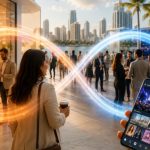
However, if your company expects to reactivate physical experiences in the short term, you must be able to express your brand values, while respecting your customer's concerns at an experiential distance, which translates into using hybrid elements that combine physical and virtual scenarios to minimize risks.
Whether through virtual, hybrid, e-commerce events, or other digital channels, utilize technology and transform it into your strategic tool to face the current scenario and provide quality omnichannel experiences.
Difficulties mastered are opportunities won!




 Spanish
 English