
We are living in the most competitive moment for attention in marketing history. And, paradoxically, it's never been harder to truly connect.
WARC warns that media fragmentation is redefining brand effectiveness: more platforms, more stimuli, and more content… but less real attention from people.
The question is no longer how many times a brand appears in front of someone.
The real question is: Can you remain emotionally present when everything is competing to disappear in seconds?
For years, marketing understood attention as a battle of interruption: more ad spend, more frequency, more impressions. But the attention economy in 2026 shows us another reality: people have learned to filter out almost everything that doesn't generate meaning for them.
Therein lies the difference between interrupting and engaging, between visibility and presence.
I've seen it up close in immersive experiences such as Art Basel Miami Beach. Brands that best understand this context don't just put a logo on something: they design journeys, atmospheres, and rituals where light, sound, and human interaction make people want to stay. The difference is noticeable in seconds, literally, in how long someone decides to remain in a space before continuing on.
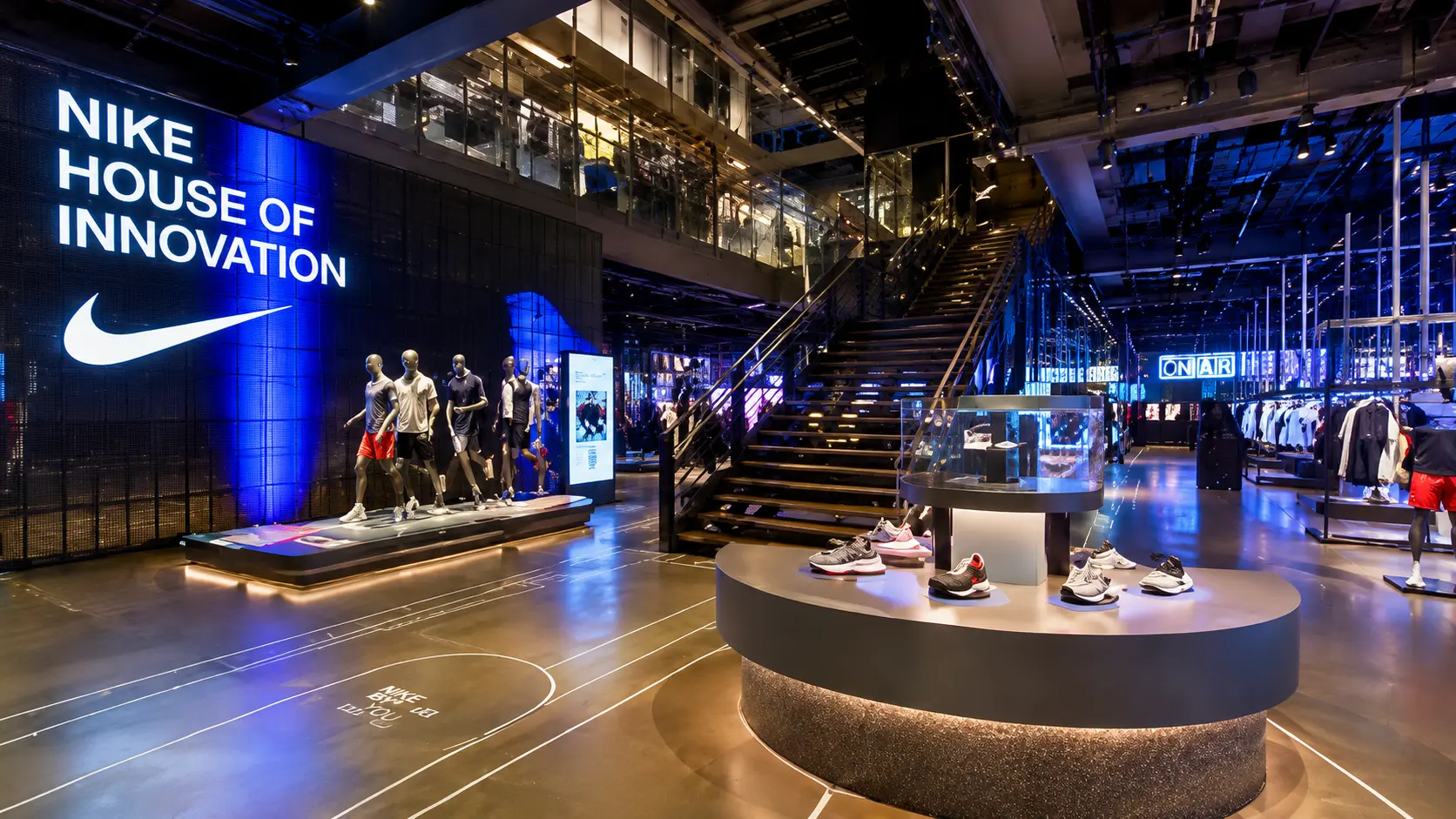
The same happens in Nike House of Innovation. The brand didn't design a store solely for product display, but an experience where people can explore, try, personalize, and feel part of a culture. how is what's important: Nike Turn the visit into participation. The person touches materials, tries products, customizes details, receives guidance, and tours the store as if entering a culture, not just an inventory. Technology accompanies, but emotion guides the experience.
A fundamental truth emerges there: people no longer remember only what they bought. They remember how a brand made them feel while they were there.
For decades, many strategies focused on repetition. But today, repetition without emotion leads to burnout. Audiences are trained to filter out irrelevant stimuli. Therefore, an emotionally significant experience can achieve something much more powerful than exposure: memory. And memory is where a brand truly lives.
In the attention economy, repeated exposure can generate reach. But sustained emotion builds memory, preference, and trust.
Perhaps the big question for 2026 is no longer how much content we are able to produce. The question is deeper:
Are we designing experiences that truly deserve people's attention?
As I always say, brands don't sell products. They design emotions that remain when the transaction is already over.



 Spanish
 English