
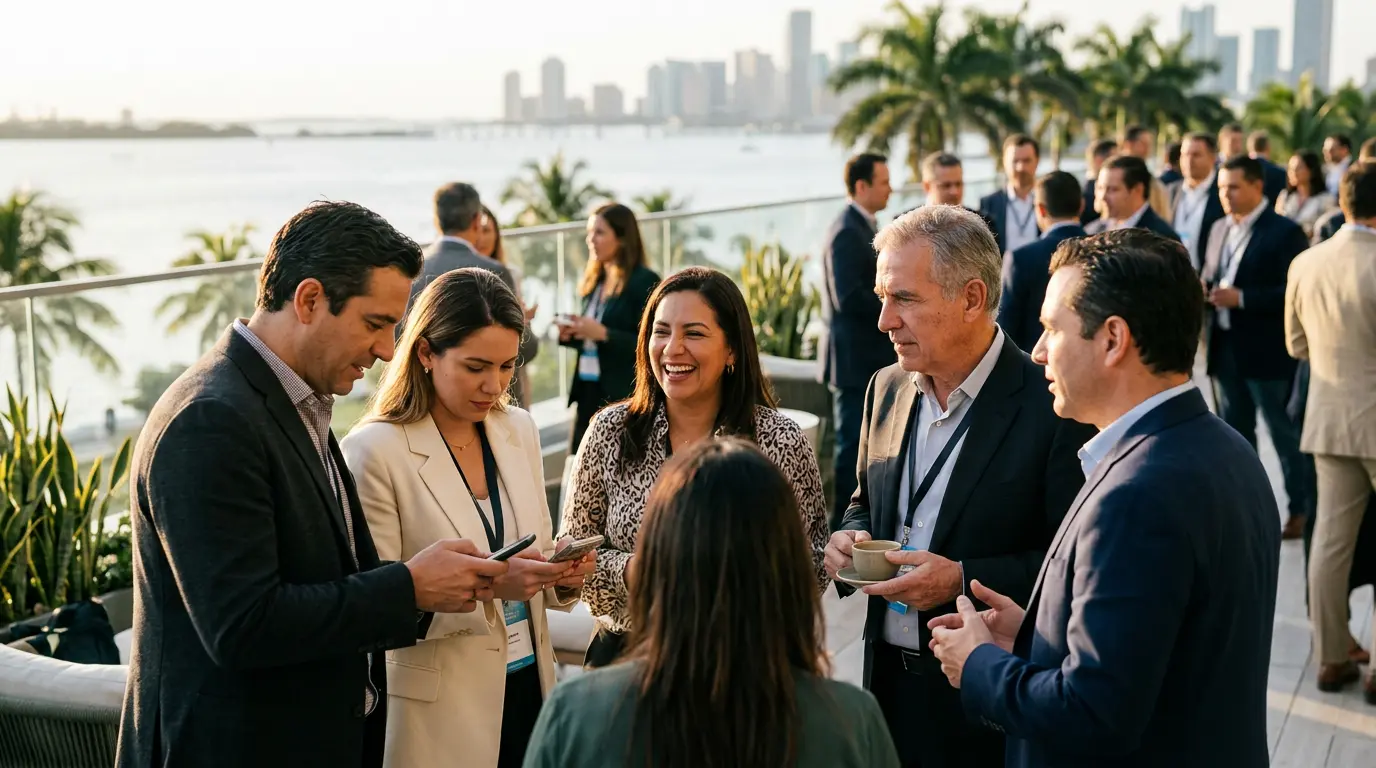
The true value of an event lies in the relationships that last long after it's over.
There's something I've learned throughout nearly three decades in this industry: the best business opportunities rarely start with a presentation. They start with a good conversation.
A convention, an executive gathering, or a corporate event can bring hundreds of people together. But what makes the experience memorable isn't how many people showed up. It's what happened between them.
To me, that's one of the biggest challenges in B2B experiential marketing: designing gatherings that do more than bring people together—they build trust and open doors to new opportunities.
We've Never Invested More in Bringing People Together
According to the Global Business Travel Association, global business travel spending is expected to reach a record US$1.71 trillion in 2026, with approximately 1.84 billion trips.
That figure leads me to a specific reflection. Companies continue to invest in face-to-face interactions because they know some things simply can't happen over a video call. But an investment of this scale deserves an equally clear purpose.
Bringing people together is just the beginning. Creating meaningful reasons for them to connect is what generates value.
Corporate Events in LATAM: The Value Lies Between People, Not on Stage
Think about a sales convention.
We can design a flawless agenda, present strong results, and create a visually impressive experience. All of that matters. But the real value emerges somewhere else: when two distributors compare what worked for them, when a client meets the person who can solve a problem, or when a regional team realizes what they can accomplish together.
The same applies to B2B events and executive gatherings that increasingly bring together business leaders from the United States and Latin America, particularly in cities like Miami. The value isn't in the venue. It's in the conversations the venue makes possible.
A conversation can open the door to a partnership. A shared experience can strengthen trust. And a relationship nurtured over time can become the most important business opportunity of the following year.
The difference lies in designing those connections with intention, rather than waiting for them to happen by chance.
The Three Stages of Corporate Event Management That Go Beyond Logistics
In my experience, events that generate real business impact have one thing in common: someone planned them around three distinct stages.
Before: Decide Who to Connect, Not Just Who to Invite
The guest list tells us who's going to be there. But there's a more useful question: which people should meet, what interests do they share, and what opportunities could emerge between them?
When the team arrives at the event with that map in place, the agenda, seating arrangements, and spaces can all be designed to make those connections happen.
During: Create Conversations, Not Just Photo Opportunities
A good event leaves room for people to talk. Smaller formats, tables built around conversation topics, shared activities, and dinners where people actually listen to one another. These are simple design decisions that can completely transform what happens in the room.
A photo captures the moment. The conversation is what lasts.
After: Build on What Started at the Event
This is where most experiences lose momentum. Contacts are exchanged, potential agreements are discussed, and a week later, everything goes back to business as usual.
Following up on those conversations, connecting people who didn't get the chance to meet, and delivering on what was discussed is what turns a good event into a lasting relationship.
How to Measure an Event That Builds Relationships
If the value lies in connections, measurement needs to look there too. Beyond attendance and satisfaction, it's worth asking how many meetings were scheduled, what business opportunities emerged, and which relationships remain active months later.
Because the success of a corporate event is also measured by the relationships it strengthens and the decisions it helps move forward.
The Question That Changes How You Design an Event
Good planning gets people to show up. A meaningful experience makes them want to stay connected.
The next time you plan a corporate event, I invite you to ask yourself one question before booking the venue or finalizing the agenda: What do we want to happen between people after the event is over?
The answer could completely change the way you design it.
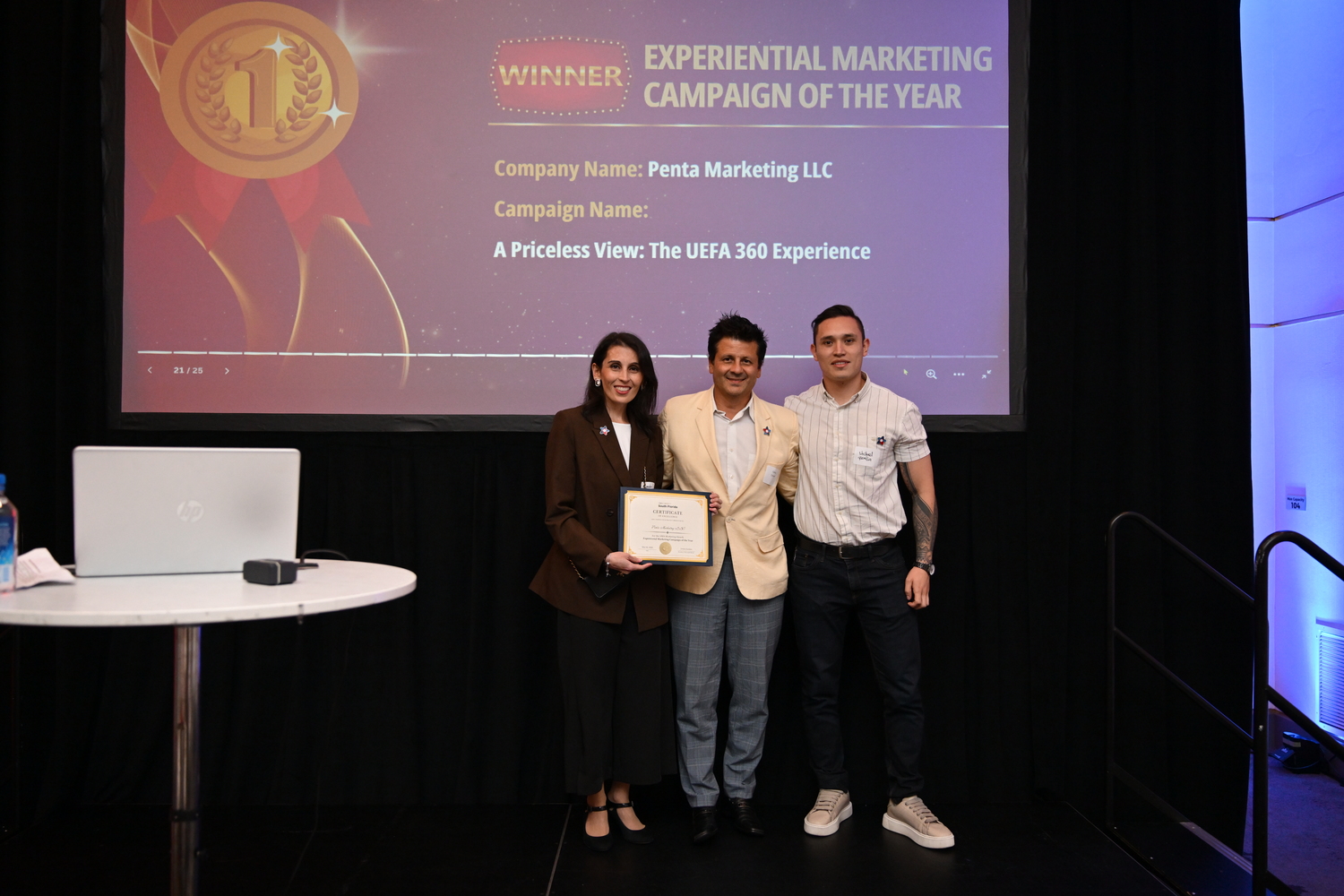
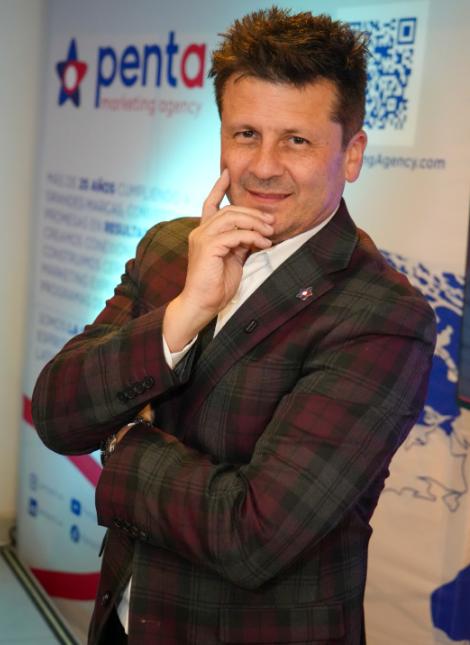
At Penta Marketing Agency, we've spent nearly three decades designing brand experiences across Latin America, the Caribbean, and Hispanic communities in the United States. And if there's one thing this journey has taught us, it's that the most valuable events aren't necessarily the ones that get the most attention, but the ones that create the strongest connections.


 Spanish
 English